People everywhere are trading heavy totes for smaller alternatives. Carrying less stuff feels incredibly liberating. You can move freely without a massive strap digging into your shoulder. A smaller accessory forces you to evaluate what you actually need for the day.
You leave the random receipts and five different lip balms at home. This shift reflects a broader lifestyle change toward intentionality and ease. We want our belongings to serve us, rather than weighing us down.
Rise of the Miniature Accessory
Big carryalls dominated the scene for a long time. Now, trends lean heavily toward scaled-down versions. You see people carrying just the essentials, opting for efficiency over excess.
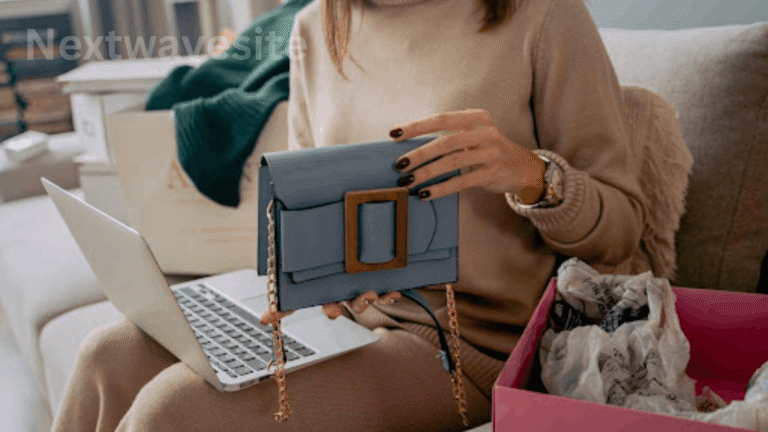
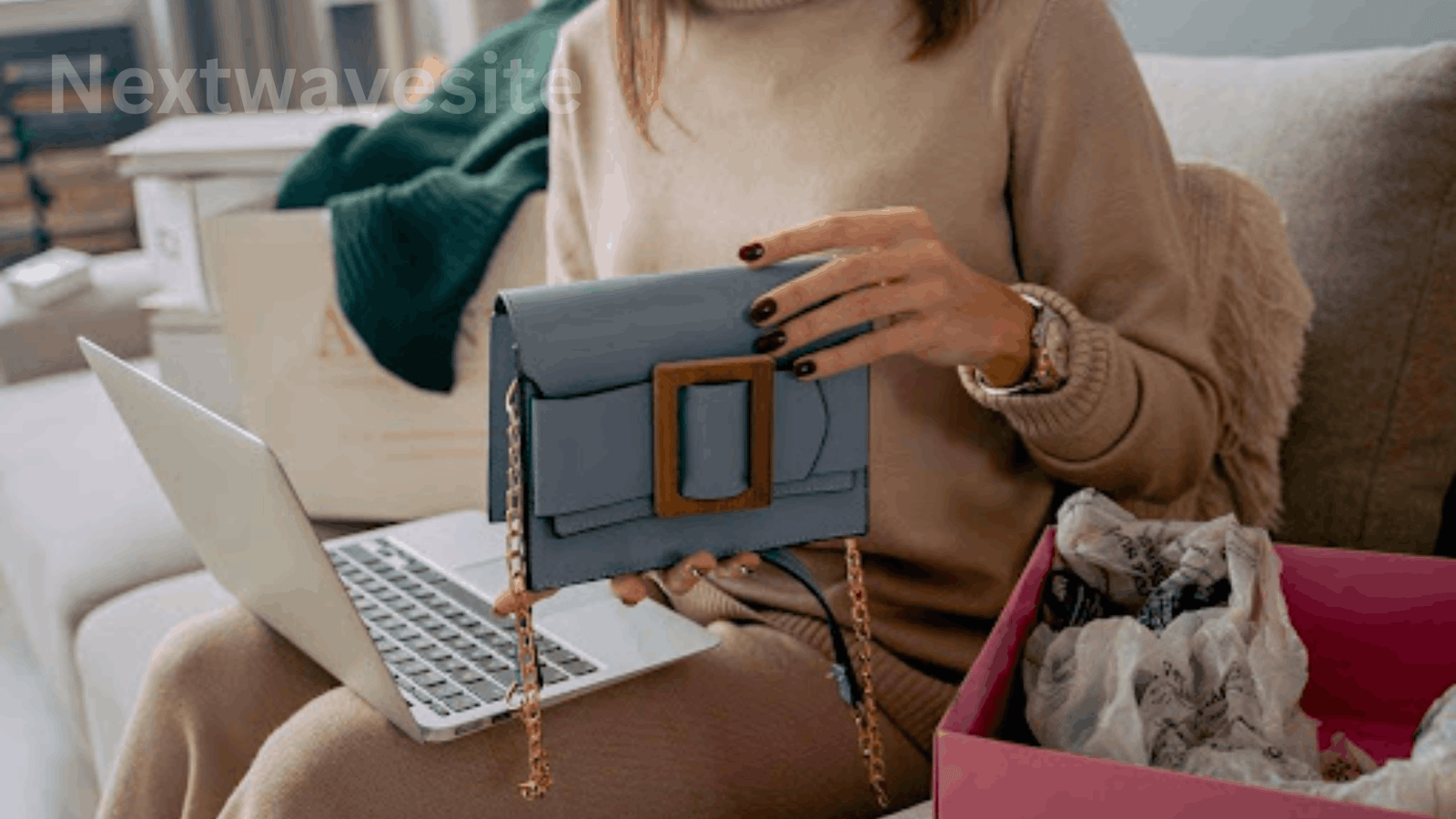
Pieces like wallets on chain (woc包包) offer exactly enough room for your cards and keys while keeping your hands entirely free during busy afternoons.
These petite designs completely change how we interact with our belongings on a daily basis. People realize they do not need to haul a massive sack everywhere they go.
Minimalism and Modern Aesthetics
Clean lines and simple shapes define current style preferences. A scaled-down profile looks incredibly sleek against any outfit. It removes visual bulk from your silhouette. Shoppers constantly seek these streamlined shapes for their everyday rotation, prioritizing clean designs over chaotic storage.
They appreciate how a tiny accessory forces a curated aesthetic that matches perfectly with tailored clothing. You stop carrying junk and start carrying only what matters.
Freedom from Excessive Clutter
Think about the last time you dug through a massive shopper looking for your keys. It is a frustrating experience. A smaller interior means you always know where everything is. You open the flap and immediately see your phone, along with your essential cards.
This organization brings a sense of calm to your daily routine, eliminating the anxiety of lost items. You spend zero time rummaging and more time actually enjoying your day.
Effortless Transition from Day to Night
Huge carryalls look entirely out of place at a nice restaurant. A petite design works perfectly for morning coffee and late dinners alike. You never have to switch out your belongings before evening plans.
The compact size feels appropriate regardless of the venue or dress code, making it an incredibly versatile choice. It blends seamlessly with casual denim during lunch hours and formal dresses during evening events.
Ergonomics and Physical Comfort
Hauling five pounds of unnecessary items wreaks havoc on your posture. Your neck and shoulders pay the price for overpacking. Shrinking your daily carry eliminates that physical strain entirely.
You feel lighter and more agile as you run errands. Your body will thank you for leaving the heavy load behind, allowing you to walk taller and with much more energy.
Bold Fashion Statements in Small Packages
A tiny item often packs a massive visual punch. Designers use these petite canvases to experiment with bright colors and wild textures. You can pull off a neon green or metallic finish much easier when the footprint is small.
It serves as a fun pop of personality without overwhelming your entire look, giving you a chance to play with fashion safely.
Sustainability through Reduced Material
Creating a smaller item naturally requires fewer resources. This reduction in fabric and leather aligns perfectly with eco-conscious mindsets. Shoppers want to reduce their environmental impact however they can.
Choosing a smaller accessory is a simple way to consume less material. It promotes a mindful consumption habit that benefits everyone, proving that great style does not require excessive waste.
Perfect Proportions for Every Silhouette
A massive tote easily swallows a petite frame. Smaller designs complement the human body much better. They rest gracefully against your hip or across your chest without throwing off your proportions.
You maintain your natural shape and look put together. The accessory enhances your outfit rather than hiding it, creating a balanced and flattering look for any body type.
About the Author