Introduction: The Fascination with Cartoon Twins
Cartoons often feature twins because they create instant dynamics. Twins allow writers to explore contrasts and similarities simultaneously. Among the most iconic cartoon twins are Phil DeVille and Lil DeVille from Rugrats.
These twins entertain, educate, and provide a lens into sibling relationships. Their enduring popularity stems from a combination of humor, distinct personalities, and shared experiences.
Moreover, cartoon twins often highlight unique traits that single characters cannot. They illustrate cooperation, rivalry, and emotional connections that resonate with audiences of all ages.
Why Cartoon Creators Love Twins
Twins in cartoons serve several purposes:
- Contrast: Different personalities in identical-looking characters create natural humor.
- Storytelling: Twins can split or join adventures, offering flexible plot options.
- Recognition: Twins stand out in a crowded cast, making stories memorable.
- Relatability: Audiences relate to sibling dynamics.
Phil and Lil exemplify all these points. Phil’s impulsive energy contrasts with cautious awareness, yet both share curiosity and a love of adventure.
Phil and Lil: Twin Dynamics in Rugrats
Phil and Lil show how twins can complement each other in storytelling. Their relationship balances action, humor, and emotional depth.
To understand their personalities in detail, you can explore our complete guide on Rugrats characters.
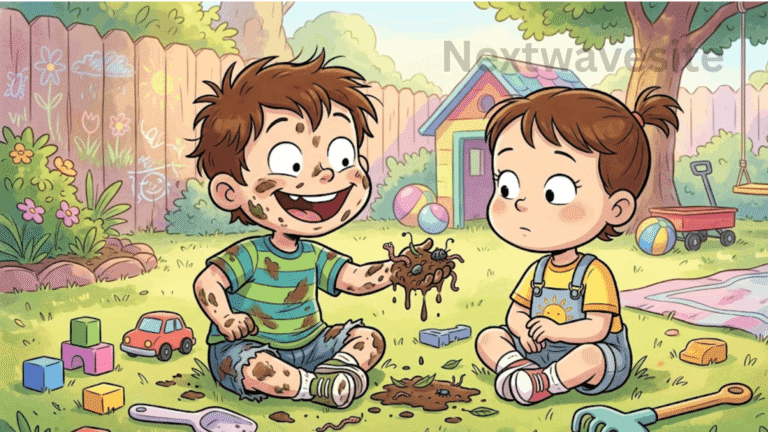
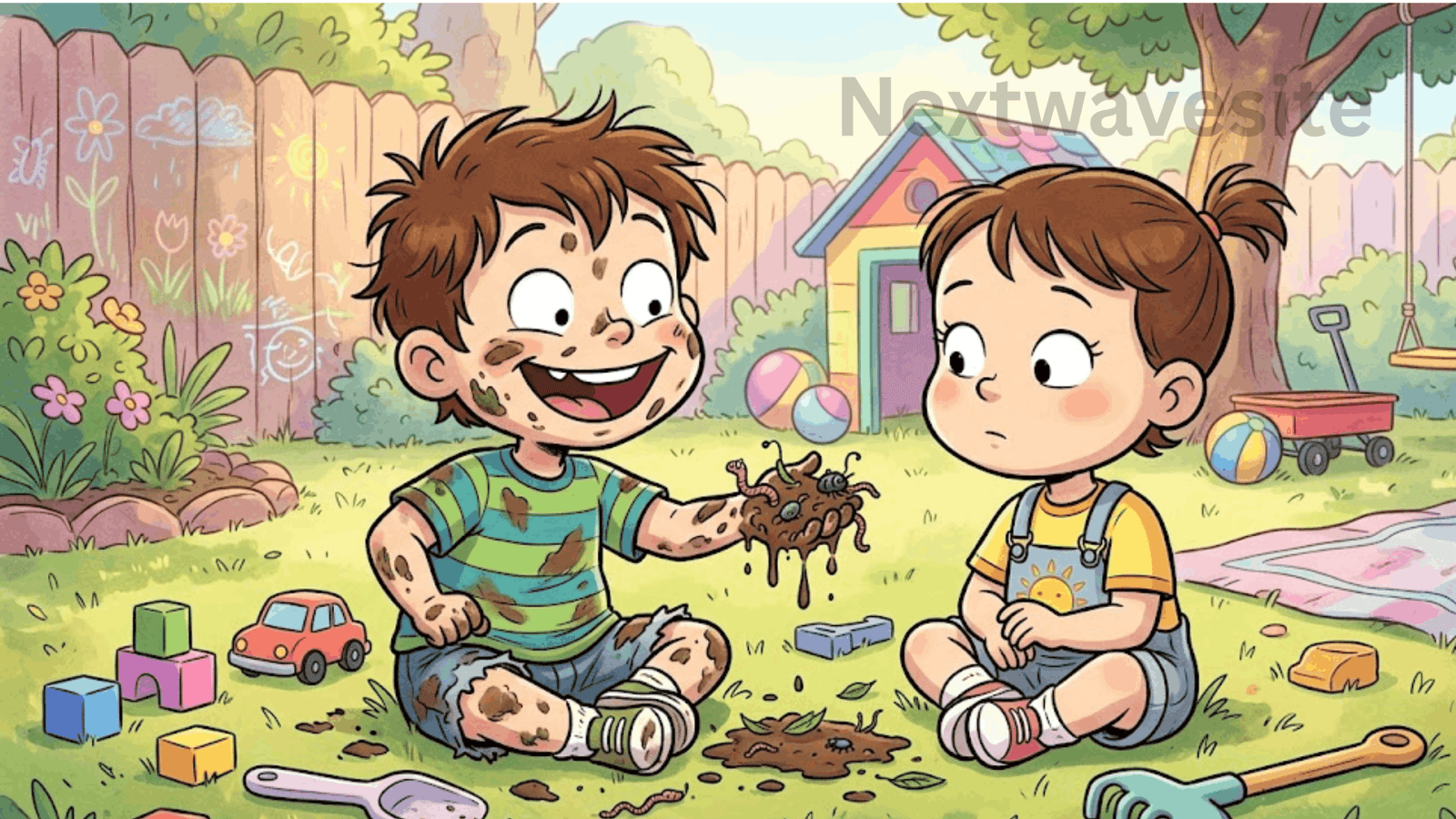
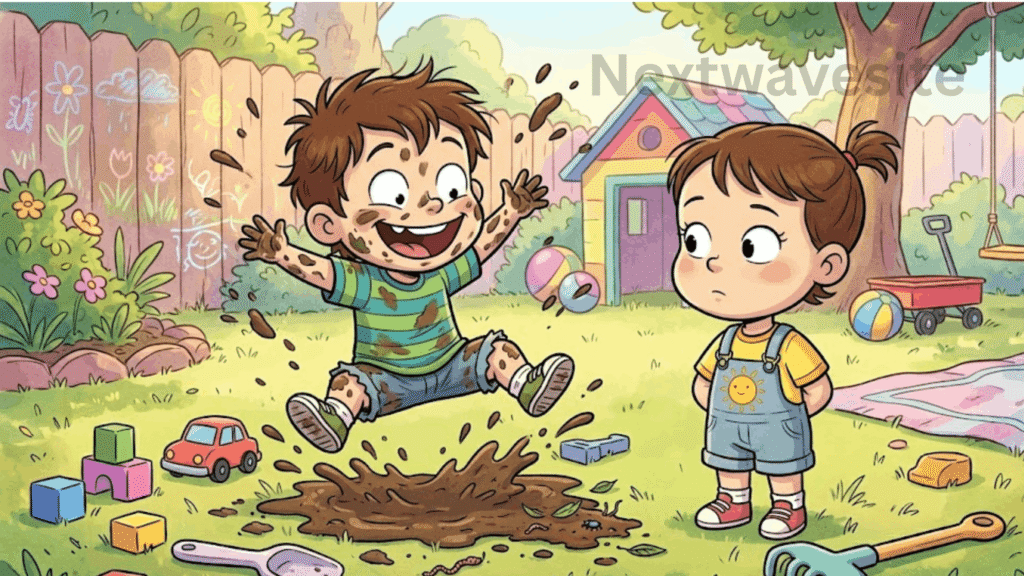
- Phil DeVille: Energetic, adventurous, fearless. Loves dirt, bugs, and messy play.
- Lil DeVille: Thoughtful, observant, emotionally aware. Brings balance to chaos.
Together, they create a harmonious twin duo that enhances the group dynamic in Rugrats.
Additionally, their twin bond emphasizes loyalty and teamwork. They rarely act alone and often support each other in every adventure.
How Their Personalities Differ Yet Align
Twins often share traits, but individuality sets them apart. Phil and Lil demonstrate this perfectly.
- Similarities: Curiosity, love for adventure, playful humor.
- Differences: Phil acts impulsively; Lil observes and strategizes.
This balance keeps the show engaging. Audiences witness spontaneous action, tempered by thoughtfulness, creating a dynamic viewing experience.
Moreover, their personalities make them ideal characters for lessons about sibling cooperation, empathy, and problem-solving.
Emotional and Social Lessons from Twin Characters
Cartoon twins like Phil and Lil teach viewers valuable lessons:
- Cooperation: Twins often demonstrate working together despite differences.
- Conflict resolution: Disagreements showcase negotiation and compromise.
- Individuality within unity: Even twins maintain unique identities.
- Empathy and understanding: Observing each other’s emotions fosters compassion.
Rugrats uses Phil and Lil to model these behaviors, allowing children to learn without overt instruction.
Popularity of Cartoon Twins Across Generations
Twins have remained popular because they create memorable dynamics. From Phil and Lil to other iconic pairs like:
- Tweedledee and Tweedledum (Alice in Wonderland)
- Huey and Dewey (DuckTales)
- Dennis and Daisy (various adaptations)
Twins allow writers to explore complex relationships in simple ways.
Moreover, twin characters appeal to nostalgia. Audiences who grew up watching Phil and Lil continue to reference them in pop culture, crosswords, and discussions.
Crosswords and Trivia: The Legacy of Twin Characters
Phil and Lil appear frequently in crosswords and pop culture trivia. Clues often reference:
- Their shared twin identity → TWIN
- Their surname → DEVILLE
- Individual traits → adventurous Phil, observant Lil
If you want to solve clues like Phil or Lil of Rugrats quickly, check out our Phil or Lil of rugrats crossword guide.
Understanding these characters improves puzzle-solving speed and accuracy. Crossword enthusiasts often benefit from knowing twin character dynamics.
Humor and Interaction in Twin Characters
Twins often create natural comedic moments. Phil and Lil use:
- Contrast humor: Phil’s impulsiveness vs. Lil’s caution
- Situational humor: Joining Tommy and Chuckie in messy or adventurous situations
- Sibling teasing: Gentle jokes and playful rivalry
Their humor feels authentic because it stems from realistic sibling dynamics rather than forced gags.
Educational Value of Twins in Cartoons
Cartoon twins teach lessons subtly. Phil and Lil, while entertaining, provide:
- Insight into childhood curiosity
- Modeling of teamwork and cooperation
- Problem-solving strategies through trial and error
Children learn by watching how the twins navigate adventures, conflicts, and social interactions.
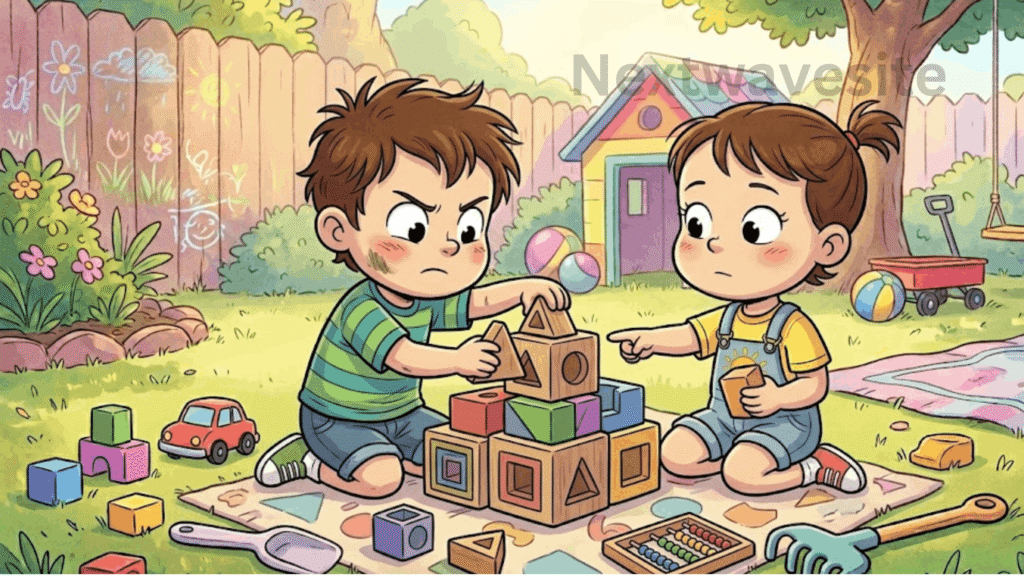
Twin Archetypes in Animation
Twins often follow recognizable archetypes:
- The Leader and the Follower: One twin initiates action, the other observes or reacts.
- The Mischievous Pair: Both engage in playful chaos.
- The Complementary Pair: Each twin balances the other, creating harmony.
Phil and Lil fit the complementary archetype, combining chaos with balance, impulsiveness with thoughtfulness.
The Cultural Impact of Phil and Lil
Phil and Lil shaped children’s programming in the 90s. Rugrats, as a show, revolutionized perspectives by showing the world through toddlers’ eyes.
- They contributed humor, energy, and emotional depth.
- They influenced sibling representation in cartoons.
- They became pop culture icons, inspiring merchandise, games, and references.
Their twin identity became a symbol of curiosity, playfulness, and togetherness.
Comparison with Other Cartoon Twins
Comparing Phil and Lil to other twin duos highlights their uniqueness:
- Huey and Dewey (DuckTales): Focused on adventure and mischief, with emotional depth.
- Tweedledee and Tweedledum: Comic relief with identical behavior, limited individuality.
- Phil and Lil: Balanced, nuanced personalities, complementary traits, emotional awareness.
Phil and Lil stand out before showing individuality while maintaining a strong twin bond.
Lessons for Parents and Educators
Phil and Lil provide learning opportunities:
- Emphasize the value of balancing energy and awareness.
- Show how children develop emotional intelligence alongside curiosity.
- Model sibling cooperation and empathy.
Watching twins like Phil and Lil can inspire discussions about relationships, teamwork, and problem-solving.
Fan Appreciation and Nostalgia
Fans continue to celebrate Phil and Lil for:
- Their unique humor and personalities
- Iconic twin adventures
- Emotional depth and relatability
Nostalgia keeps them alive in discussions, fan art, and online communities. Crossword puzzles, quizzes, and trivia further reinforce their presence.
Why Twin Characters Remain Timeless
Twins create natural storytelling opportunities:
- Conflict and cooperation happen simultaneously
- Humor emerges from contrast and similarity
- Emotional lessons can be embedded in entertaining plots
Phil and Lil perfectly demonstrate these qualities, ensuring their place in cartoon history.
Final Thoughts
Phil and Lil show the power of twin characters in animation. They entertain, educate, and inspire through:
- Complementary personalities
- Emotional intelligence and awareness
- Shared adventures and sibling bonds
Moreover, they continue to influence pop culture, crosswords, and fan communities. Understanding their traits and dynamics helps audiences appreciate the depth of storytelling, character design, and childhood representation in media.
About the Author