Introduction
You check your phone, and suddenly you notice something strange. The signal bars look different. Sometimes they turn red, disappear, or display a warning message like “No Service” or “Emergency Only.” At that moment, frustration appears quickly because your connection to the digital world feels broken. This situation describes what many people call a red phone signal.
Today, mobile connectivity drives daily life. People rely on smartphones for communication, navigation, work, banking, entertainment, and safety. Because of that reliance, any disruption in signal strength creates stress and confusion. However, a red phone signal does not always indicate a serious problem with your phone.
In most situations, the issue comes from weak network coverage, environmental obstacles, temporary outages, or minor device settings. When you understand how mobile signals work and what causes connectivity issues, you gain the confidence to fix the problem quickly.
This guide explains everything about the red phone signal in simple language. You will learn what it means, why it happens, how mobile networks function, and the proven steps that restore your connection.
More importantly, you will understand how modern communication systems interact with your phone and why signal strength changes from place to place. When you finish reading, you will feel fully prepared to handle this common mobile problem with clarity and confidence.
What Does a Red Phone Signal Mean?
A red phone signal usually indicates that your device cannot maintain a stable connection with the mobile network. Your smartphone still functions normally, but it struggles to communicate with nearby cellular towers.
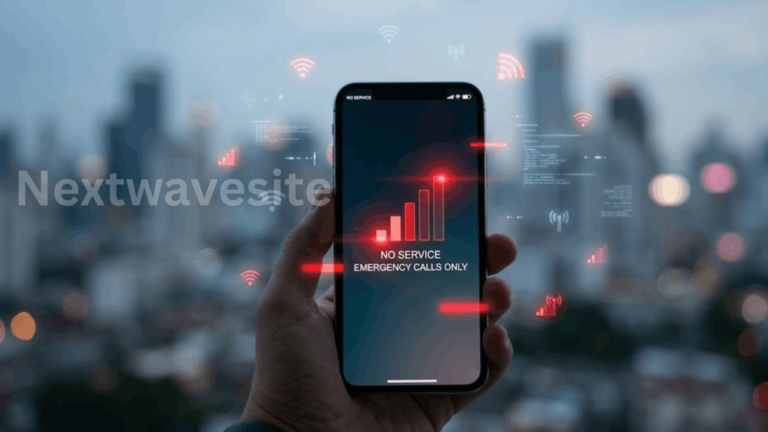
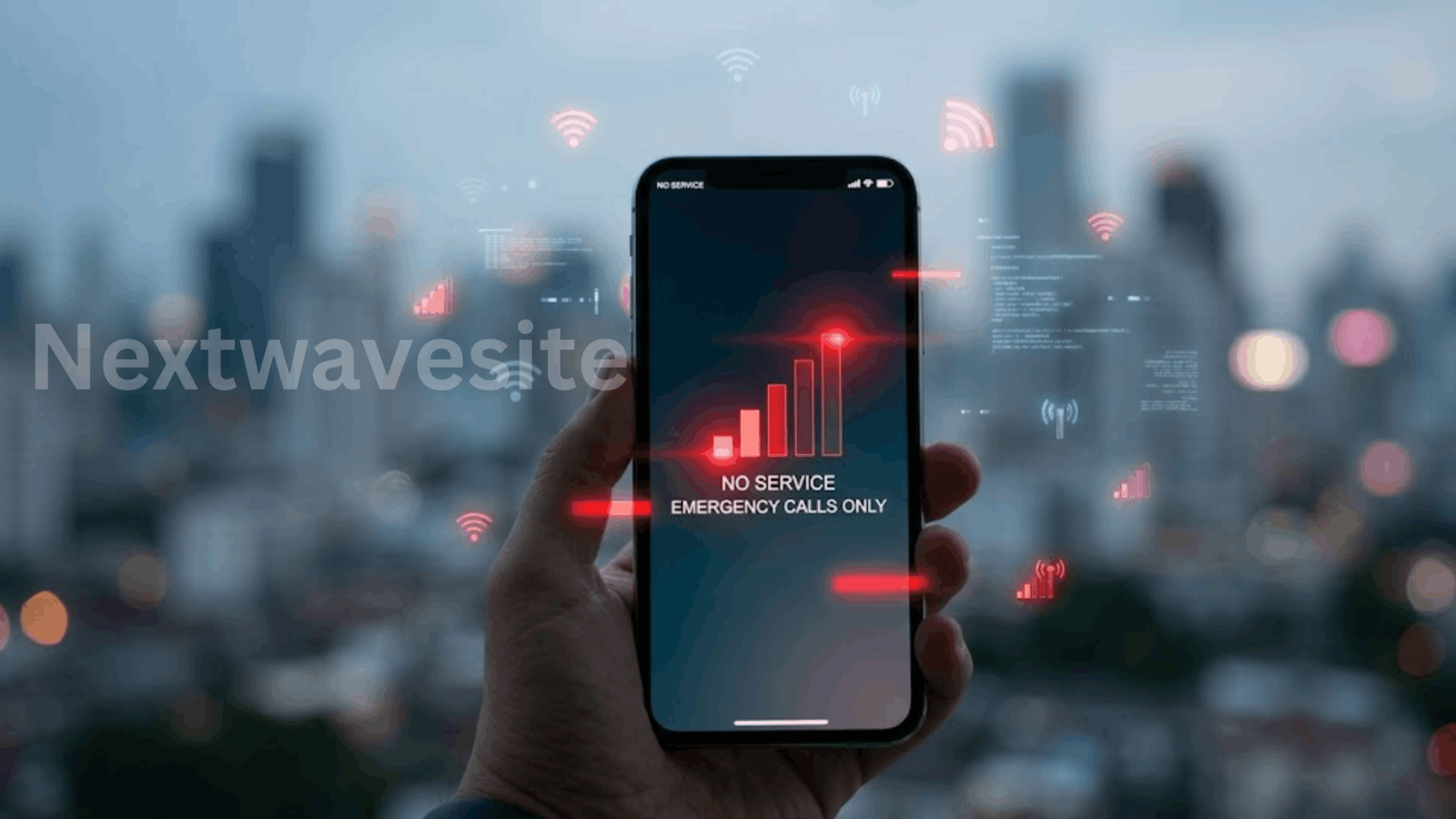
Most smartphones show signal strength through bars at the top of the screen. Strong connections are shown by several bars, while weaker connections are shown by fewer bars. When the signal becomes extremely weak or disappears, many users describe the warning as a red phone signal.
This warning appears in several forms:
- Red signal bars on the screen
- A missing network icon
- A message such as No Service
- A message such as Emergency Calls Only
Your phone keeps trying to connect to the network. When it cannot find a stable tower connection, it displays these warnings to alert you.
You should remember an important point here. The red phone signal simply shows a connection issue, not a broken phone. In most cases, the problem exists in the surrounding network environment rather than inside the device.
When users understand this distinction, they reduce stress and focus on practical solutions instead of worrying about expensive repairs.
Why Mobile Signals Change Frequently
Mobile signals depend on radio waves that travel between your smartphone and nearby cellular towers. These signals move through the air, bounce off surfaces, and weaken as they travel farther.
Because of this physical reality, signal strength changes constantly.
A phone may show strong reception outdoors and weak reception indoors. You may experience excellent connectivity in one city block and poor connectivity a few streets away.
Network engineers design tower systems to cover large areas, but many environmental factors still influence signal quality.
For example, buildings, hills, weather conditions, and large crowds can dramatically affect signal strength.
Understanding these changes helps people recognise that a red phone signal often appears temporarily rather than permanently.
The Most Common Causes of a Red Phone Signal
Many technical factors influence mobile connectivity. When several of these factors combine, the red phone signal may appear on your screen.
Weak Network Coverage
The distance to cellular towers plays a major role in signal strength. Rural areas often contain fewer towers than cities. Because of this limited infrastructure, phones struggle to maintain stable connections.
Travellers frequently notice signal drops when driving through mountains, forests, or remote highways. In these areas, towers remain far apart, resulting in reduced coverage.
When the phone cannot reach a strong tower signal, the device warns the user through weak bars or a red phone signal.
Indoor Signal Interference
Buildings create another major challenge for mobile signals. Concrete walls, metal frames, thick insulation, and tinted windows absorb or block radio waves.
Large office buildings and underground locations often significantly weaken signals.
You may experience this when entering elevators, basements, underground parking garages, or subway stations.
Your phone may show excellent reception outside, but display a red phone signal inside the structure.
Network Congestion
Mobile towers handle thousands of devices simultaneously. During busy hours, large crowds can overload the available bandwidth.
Sporting events, concerts, festivals, and busy city centres often experience heavy network congestion.
When many users attempt to connect at the same time, towers struggle to distribute resources evenly. As a result, some devices experience slower speeds or temporary signal loss.
In these moments, your phone may display the red phone signal warning even though towers remain nearby.
Temporary Carrier Outages
Mobile providers maintain large infrastructure systems that require constant maintenance. Engineers regularly update software, upgrade equipment, and repair damaged components.
During these maintenance windows, some towers may temporarily stop transmitting signals.
Weather damage, power failures, and technical malfunctions can also disrupt service.
When these outages occur, thousands of users may suddenly see the red phone signal on their screens.
SIM Card Problems
Your SIM card acts as the identity key that connects your phone to the carrier network.
A damaged, outdated, or incorrectly inserted SIM card can block network authentication.
When the phone cannot verify your identity on the network, it fails to connect to nearby towers. This situation may also trigger the red phone signal warning.
Fortunately, this problem remains easy to solve in most situations.
How Smartphones Measure Signal Strength
Smartphones rely on specialised antennas that detect radio frequency signals from nearby towers. The device measures signal quality and displays the result through signal bars.
Engineers measure signal strength in decibels relative to milliwatts. However, users do not need to understand technical measurements.
Instead, phones simplify the information into visual bars.
More bars mean stronger signals. Fewer bars indicate weaker signals.
When signal strength drops below a usable level, the phone warns users through messages or missing bars.
Many people describe this state as the red phone signal.
Understanding this system helps users interpret signal changes without panic.
Real Situations Where You May See a Red Phone Signal
The red phone signal appears in many everyday situations.
Travellers often encounter it while driving through remote areas. Office workers may see it inside large buildings. Students may notice it inside campus dormitories with thick walls.
People who commute on underground trains experience frequent signal interruptions as tunnels block communication with towers.
Large events also create signal disruptions. Thousands of devices simultaneously attempt to connect to the same tower.
Each of these scenarios highlights the dynamic nature of wireless communication.
Signals constantly change based on location, environment, and network demand.
Simple Solutions That Fix a Red Phone Signal
Fortunately, most connectivity issues resolve quickly through simple troubleshooting steps.
Restart Your Phone
Restarting your device refreshes the operating system and network connections. Many temporary glitches disappear after a simple reboot.
Toggle Aeroplane Mode
Turning Airplane Mode on and then off prompts your phone to find and connect to the closest tower.
This action often restores lost connections within seconds.
Move to an Open Area
If you remain inside a building, move toward a window or step outside.
Open environments let your device communicate freely with surrounding towers.
Check Your SIM Card
Remove the SIM card carefully and reinsert it properly.
If the card appears damaged, request a replacement from your mobile carrier.
Update Your Device Software
Software updates often improve network compatibility and performance.
Keeping your phone updated ensures optimal communication with modern cellular networks.
Contact Your Mobile Carrier
If the problem continues for several hours, contact your mobile provider.
Customer support teams can check for outages, account problems, or regional tower issues.
Why Reliable Mobile Signals Matter Today
Reliable connections keep today’s daily life running smoothly.
People use smartphones to coordinate travel, communicate with family, manage finances, access information, and call for emergency assistance.
Businesses rely on mobile communication to coordinate logistics and maintain productivity.
Students depend on mobile internet for learning resources and collaboration.
Because of this reliance, even short interruptions feel frustrating.
The appearance of a red phone signal reminds us how important the communication infrastructure remains.
The Emotional Side of Losing Connection
People often feel anxious when they lose connectivity.
Modern life moves quickly, and many responsibilities depend on instant communication.
A lost signal may interrupt an important call, delay a message, or prevent access to navigation tools.
However, understanding the cause of the red phone signal reduces that anxiety.
When users recognise the problem as temporary and manageable, they respond calmly and take practical steps to restore service.
Knowledge transforms frustration into confidence.
The Future of Mobile Connectivity
Telecommunication companies continue expanding network infrastructure worldwide.
New technologies such as advanced cellular networks promise faster speeds, broader coverage, and improved reliability.
Engineers design smarter tower systems that manage network congestion more effectively.
Satellite communication systems also support remote areas that traditional towers cannot reach.
These innovations will reduce the frequency of connectivity problems and improve global communication.
Even so, temporary signal interruptions will always exist because wireless signals interact with the physical environment.
Users who understand the red phone signal will always stay prepared for those moments.
Conclusion
The red phone signal indicates that your smartphone cannot maintain a stable connection to the mobile network. This issue usually occurs due to weak coverage, indoor interference, network congestion, SIM card issues, or temporary outages.
Fortunately, most signal problems resolve quickly through simple steps such as restarting the phone, moving to an open area, checking the SIM card, or reconnecting to the network.
When users understand how mobile signals function, they respond to connectivity problems calmly and confidently.
Mobile communication remains one of the most powerful tools in modern life. Even during temporary disruptions, knowledge and simple troubleshooting techniques help users restore their connection quickly.
Understanding the red phone signal ensures that you stay informed, prepared, and connected whenever communication matters most.
You may also like to read About: Crackstube: A Complete Informational Overview
About the Author