Introduction
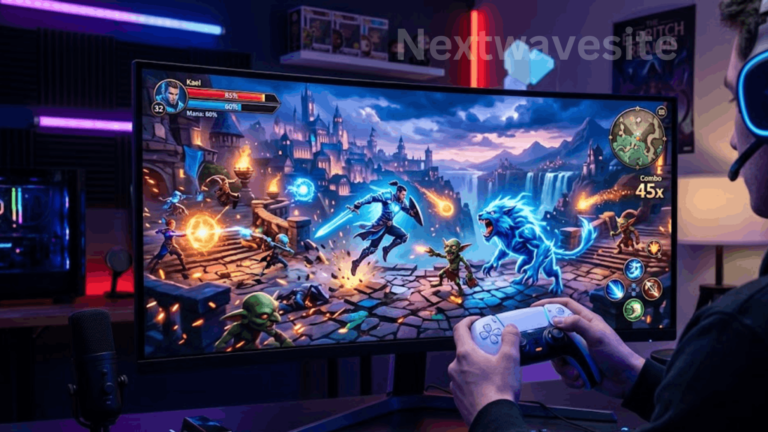
Modern video games have evolved beyond simple mechanics or flashy graphics. Today, players expect stories that captivate, worlds that feel alive, and experiences that leave a lasting impression. The magic happens when cinematic storytelling and interactive gameplay work together in games, combining narrative depth with interactive engagement. This union transforms ordinary gameplay into emotionally charged adventures that players remember for years.
The Power of Player Experience
At the heart of this synergy lies the player’s experience. Gameplay provides freedom, challenges, and control, while cinematic storytelling adds emotional weight, pacing, and drama. Games like The Last of Us and Red Dead Redemption 2 illustrate this balance perfectly. Players face life-or-death situations while witnessing cinematic moments unfold. Every choice, every movement, and every exploration contributes to the story, creating a sense of agency and immersion that traditional media cannot replicate.
Role of Cutscenes in Storytelling
Cutscenes allow developers to deliver story beats with cinematic flair, emphasizing key moments that gameplay alone cannot fully convey. However, cutscenes risk breaking immersion if players feel too passive. Modern games solve this by blending interactive elements with cinematic sequences. Quick-time events, optional exploration during narrative scenes, and reactive environments ensure that storytelling and gameplay remain intertwined. Players retain a sense of control while absorbing the story’s emotional impact.

Environmental Storytelling
Designers craft worlds that speak without words. A derelict house, a battlefield scattered with personal items, or subtle visual cues can reveal backstory and lore. Cinematic techniques, such as dynamic lighting and camera framing, enhance these details, guiding the player’s attention to what matters most. Players uncover narrative elements organically through interaction, creating a deeper connection to the game world.
Pacing and Flow
Developers alternate between high-intensity action, quiet exploration, and narrative-driven sequences to maintain engagement. Cinematic moments, such as emotional dialogue or dramatic reveals, provide breathing room after intense gameplay. This rhythm mimics film pacing while respecting the player’s agency, ensuring that neither storytelling nor gameplay overshadows the other.
Player Choice and Consequences
When choices impact the story, cinematic storytelling shows consequences with dramatic flair. Branching narratives, moral dilemmas, and dynamic character reactions make every decision feel meaningful. Games like AimpCity show how every decision you make changes the experience. Titles such as Detroit: Become Human and Mass Effect excel in this domain. Players witness how their actions shape outcomes, creating a personal connection that purely linear stories cannot achieve.
Camera Work and Perspective
Dynamic camera angles emphasize emotions, heighten tension, and provide context. Over-the-shoulder views, close-ups on characters, and cinematic tracking shots enhance both gameplay and storytelling. In moments of high drama, cinematic angles convey urgency and emotional depth without sacrificing interactivity.
Sound Design and Music
Music, environmental audio, and voice acting evoke emotions, signal danger, or celebrate triumphs. Cinematic scoring paired with interactive gameplay sequences amplifies tension and emotional resonance. A suspenseful track during a stealth mission or a triumphant swell during a climactic battle intensifies the player’s connection to both the story and the gameplay.
Emergent Storytelling
Gameplay mechanics themselves can create narratives. Unexpected player actions trigger cinematic reactions, turning spontaneous moments into memorable story beats. Red Dead Redemption 2 uses this to make interactions with NPCs, wildlife, and the environment feel meaningful and story-driven. Players craft their own stories, while cinematic elements emphasize the emotional significance of their experiences.
Character Development
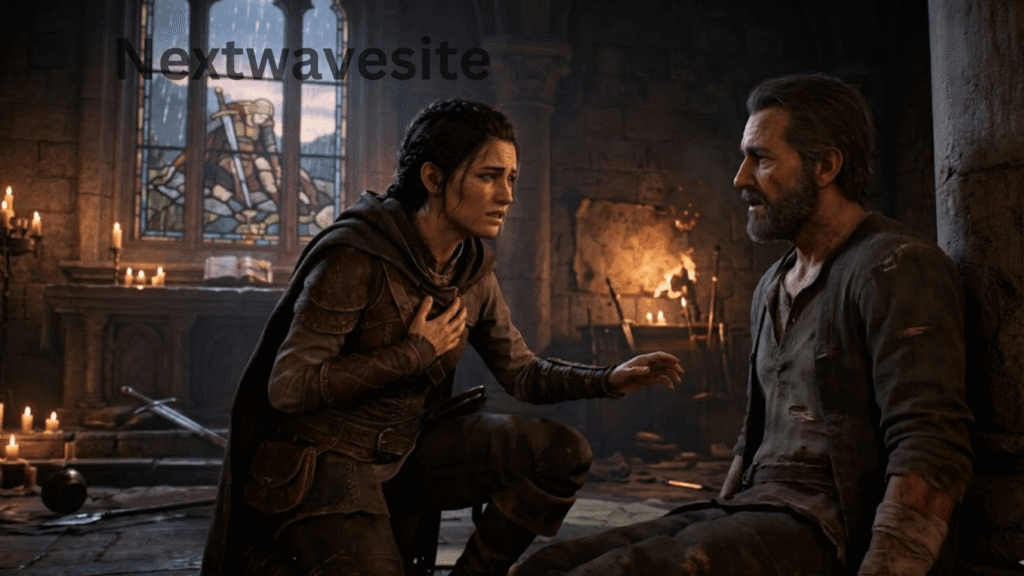
Players invest time in understanding characters, guided by cinematic storytelling through dialogue, body language, and cinematic framing. Gameplay allows them to interact, make choices, and witness growth firsthand. When players care about characters, every challenge, victory, and failure carries emotional weight, reinforcing the game’s narrative impact.
Visual Storytelling
Designers use cinematic composition, lighting, and animation to communicate tone, intention, and atmosphere. Gameplay actions such as platforming, stealth, or combat become intertwined with visual cues, ensuring every interaction feels purposeful and narratively relevant. This design strategy maintains immersion while keeping the player actively engaged in both story and action.
Real-Time Cinematic Techniques
Engines render facial expressions, lighting changes, and dynamic camera shifts in response to player input. This allows storytelling and gameplay to coexist seamlessly without pre-rendered sequences. Players remain in control while experiencing cinematic moments, creating a continuous, interactive narrative flow.
Replayability and Player Engagement
When cinematic storytelling responds dynamically to player choices, each playthrough offers unique experiences. Players return to explore alternative outcomes, deepening their engagement with the game and making it more personal. Replayability becomes a narrative tool, further blending story and gameplay into a cohesive, immersive experience.
Emotional Engagement
Players feel fear, joy, sadness, and triumph not because they watch passively but because they act, react, and participate. Cinematic storytelling amplifies these emotions by guiding perspective, emphasizing critical beats, and using audiovisual cues. Games like God of War and Horizon Zero Dawn leverage this synergy to create unforgettable experiences that leave players carrying memories long after the credits roll.
Gameplay Variety
Combat, exploration, puzzles, and interactive dialogue diversify player experiences. Cinematic storytelling adapts to these mechanics, providing context, motivation, and emotional resonance. Each action reinforces the narrative, whether the player fights, investigates, or converses with characters. This ensures that gameplay never feels disconnected from the story.
Accessibility and Immersion
Cinematic storytelling provides clarity, direction, and emotional engagement without overwhelming the player. Gameplay mechanics give tangible feedback, allowing players to navigate challenges with agency. Together, they create an inclusive environment where storytelling and interaction coexist naturally, encouraging exploration and investment.
Smooth Transitions
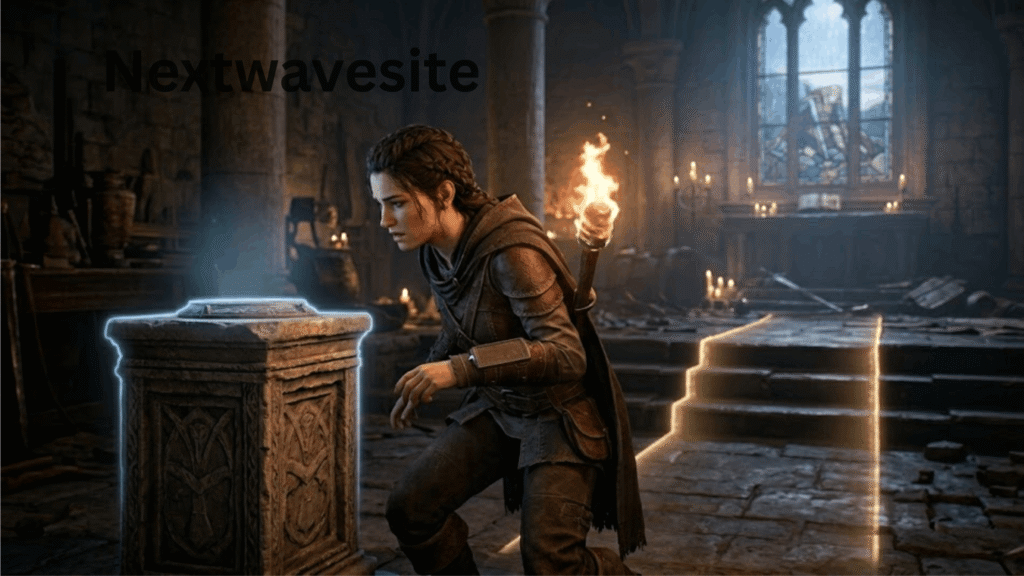
Abrupt cutscenes or overly scripted sequences can disrupt immersion. Designers use subtle transitions, like interactive dialogues, camera shifts, or environmental changes, to maintain continuity. Players experience a seamless journey where cinematic storytelling guides action without interrupting control, sustaining engagement throughout the game.
Emergent Replayable Moments
NPC behavior, random events, and player choices produce unique stories every session. When gameplay mechanics support narrative flexibility, cinematic storytelling highlights these moments, creating a sense of living, breathing worlds. Players feel their actions matter and that their story is uniquely theirs.
Player-Driven Emotional Arcs
Developers craft scenarios that challenge players morally and emotionally, while cinematic storytelling emphasizes consequences. Players witness the impact of their choices, deepening their investment in the characters, plot, and the game world. Emotional resonance becomes a core part of the interactive experience.
Scale and Spectacle
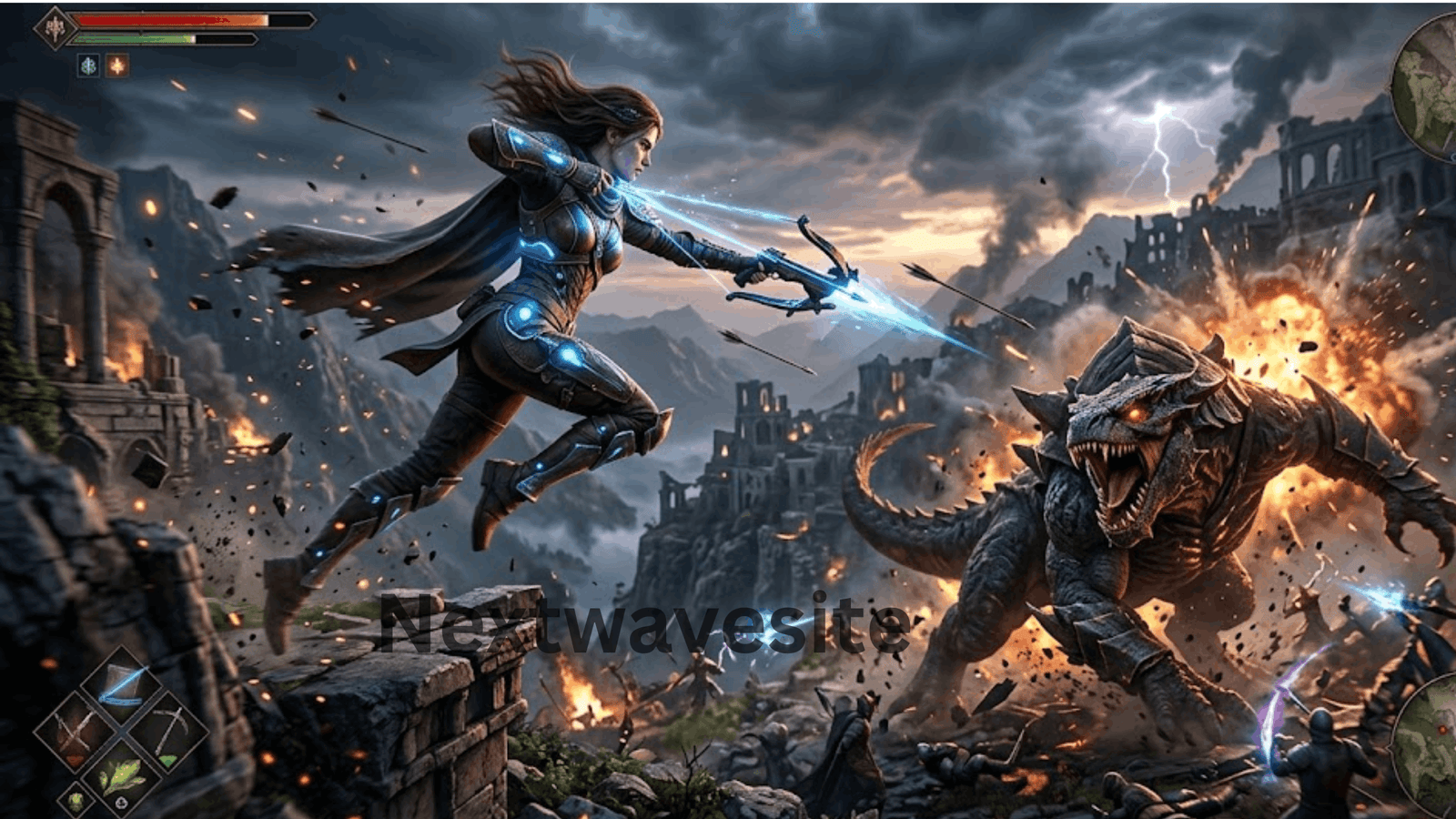
Large set pieces, dynamic environments, and epic battles feel cinematic, while players remain in control. This combination creates awe-inspiring experiences that captivate attention and deliver unforgettable gameplay moments. Players feel like active participants in a living cinematic universe.
Innovation in Storytelling
Developers experiment with nonlinear narratives, interactive dialogue, procedural storytelling, and branching paths. Cinematic techniques support these experiments, enhancing player agency and immersion. Games no longer separate narrative from gameplay—they merge them into unified experiences that push the boundaries of interactive entertainment.
Conclusion
How cinematic storytelling and gameplay work together in games defines the modern gaming experience. Players expect worlds that feel alive, characters they care about, and stories that unfold dynamically in response to their actions. By combining cinematic techniques with engaging gameplay, developers create emotionally charged, interactive experiences. These games captivate players, spark imagination, and deliver unforgettable adventures where story and action coexist seamlessly. When developers master this balance, every moment, choice, and interaction contributes to a richer, more immersive experience, making games not just entertainment, but an art form.
About the Author