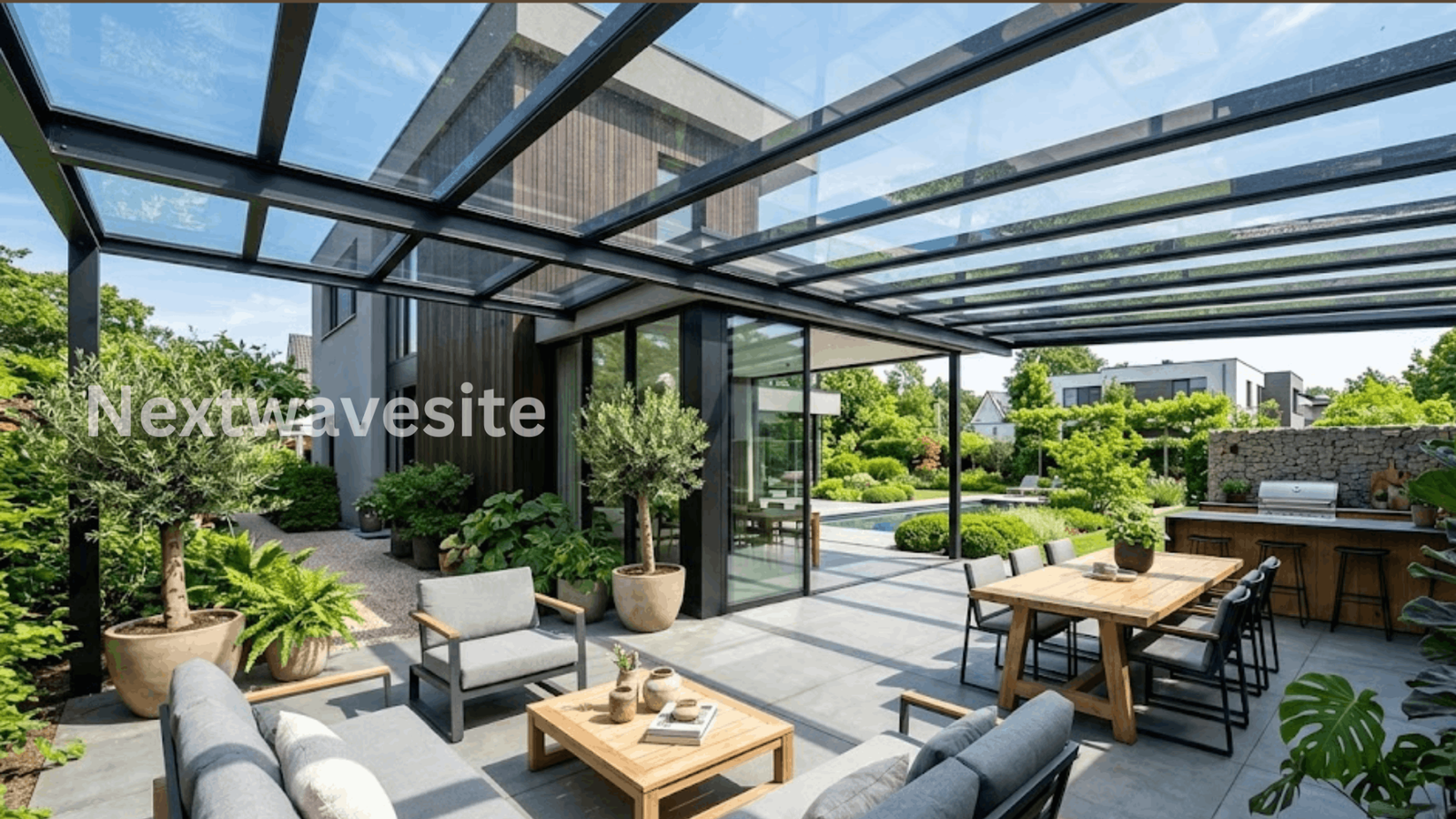
Modern construction constantly evolves. Builders, homeowners, and architects now search for roofing systems that combine strength, beauty, and energy efficiency. Traditional materials like metal sheets, clay tiles, and heavy glass often fail to meet all these expectations at once. As a result, a modern solution has gained global attention — acryldach.
Today, acryldach represents more than just a roofing material. It stands for innovation, flexibility, and intelligent design. Builders choose it because it delivers natural light, durability, and modern style in a single system. Whether someone wants to build a bright patio, a stylish pergola, or a practical greenhouse, this roofing technology provides a reliable answer.
This detailed guide explains everything about acryldach, including its meaning, materials, benefits, installation, applications, costs, and long-term value. By the end, you will clearly understand why many architects now see acrylic as the future of modern roofing.
Understanding the Meaning of Acryldach
The Word acryldach originates from German. The term combines two words: “acryl,” meaning acrylic, and “dach,” meaning roof. Together, they describe a roofing system made from acrylic panels or sheets.
These panels use a material called polymethyl methacrylate (PMMA). Many people know this material as acrylic glass. It offers the clarity of glass but provides far greater flexibility and a much lighter weight.
Because of these qualities, acryldach systems allow natural light to pass through while still protecting structures from rain, snow, and harmful UV rays. This balance between protection and brightness explains why modern buildings increasingly use this roofing solution.
In simple terms, an acryldach is a transparent or translucent roofing system made from durable acrylic materials.
Why Acryldach Has Become So Popular
Modern buildings focus on comfort, sustainability, and style. Builders want roofing systems that perform well without increasing construction complexity. Acryldach meets these needs perfectly.
First, acrylic panels allow up to 92% of natural light to pass through. Therefore, indoor and semi-outdoor spaces remain bright during the day.
Second, the material weighs much less than glass or concrete roofing. Builders can install it faster and reduce the structural load on the building.
Third, acrylic panels resist weather damage. Rain, snow, sunlight, and temperature changes rarely harm high-quality panels.
Because of these benefits, homeowners and architects now consider acryldach a practical and elegant roofing choice.
The Material Behind Acryldach
The strength of acryldach comes from its primary material, PMMA, an acrylic polymer.
Manufacturers produce this material through a controlled chemical process that forms a strong yet flexible plastic sheet. Unlike standard plastics, PMMA maintains excellent transparency and long-term durability.
Several key characteristics make this material ideal for roofing.
High transparency
Acrylic panels transmit nearly as much light as glass.
Lightweight structure
Acrylic is roughly half the weight of glass, which makes installing it much easier.
Weather resistance
Acrylic resists moisture, sunlight, and temperature changes.
Impact tolerance
The material handles moderate impacts better than traditional glass.
These qualities explain why acrylic panels appear in modern homes, greenhouses, skylights, and commercial buildings.
Key Features That Make Acryldach Unique
While many roofing materials shield from the elements, few deliver both practical performance and striking beauty like acryldach.
Natural Light Transmission
Natural light improves mood, productivity, and energy efficiency. Acrylic roofing allows sunlight to enter spaces without exposing them to harsh weather.
This feature makes acryldach ideal for patios, terraces, sunrooms, and garden structures.
Lightweight Construction
Heavy roofing materials require strong support structures. Acrylic panels reduce structural stress because they weigh significantly less than traditional roofing systems.
As a result, builders can design larger open spaces with fewer supporting beams.
UV Protection
Manufacturers often apply UV-resistant coatings to acrylic panels. These coatings block harmful rays while maintaining brightness.
This protection prevents furniture from fading and improves comfort for people sitting under the roof.
Modern Aesthetic Appeal
Designers value clean lines and minimalist architecture. Acrylic roofing matches these trends perfectly.
Panels come in clear, frosted, tinted, and coloured finishes, allowing creative freedom in building design.
Common Applications of Acryldach
Because acryldach combines durability with beauty, many industries use it in different projects.
Residential Buildings
Homeowners often install acrylic roofs in outdoor living areas. These structures protect people from rain while still allowing sunlight to brighten the space.
Common residential uses include:
- Patio covers
- Pergolas
- Balcony roofs
- Garden shelters
- Skylights
These installations transform outdoor areas into comfortable spaces that families can enjoy year-round.
Commercial Architecture
Businesses also benefit from acryldach roofing systems. Modern commercial buildings often require bright spaces that feel open and welcoming.
Shopping malls, restaurants, and office buildings frequently install acrylic skylights or covered walkways.
These roofs reduce daytime electricity use by replacing artificial lighting with natural light.
Greenhouses and Agriculture
Plants require consistent sunlight. Therefore, greenhouses often rely on acryldach panels.
Acrylic’s transparency lets sunlight in while protecting plants from heavy rain and extreme weather.
Farmers and gardeners value this combination because it supports plant growth while maintaining environmental control.
Public Infrastructure
Cities also use acryldach structures in public areas. Bus stops, train stations, and pedestrian walkways often feature transparent roofing panels.
These roofs create safer and brighter environments for commuters.
Types of Acryldach Panels
Manufacturers produce several panel designs to meet different architectural needs.
Flat Acrylic Sheets
Flat panels provide maximum clarity and a smooth, modern appearance. Architects often use them in skylights and contemporary buildings.
Corrugated Panels
Corrugated panels feature a wave-like shape. This design increases strength and improves water drainage.
Builders often install these panels in carports, warehouses, and outdoor shelters.
Multi-Wall Panels
Multi-wall panels contain internal chambers that improve insulation.
These panels work well in greenhouses and winter gardens because they help maintain stable temperatures.
Tinted Panels
Tinted panels reduce glare and heat while still allowing light to pass through.
These panels often appear in commercial buildings and sunrooms.
How Builders Install Acryldach Roofing
Proper installation ensures long-term performance. Builders follow a structured process when installing acryldach systems.
First, they measure the roof area and design a supporting frame. Metal or treated wood often serves as the support structure.
Next, installers cut the acrylic panels according to the design plan. They keep the protective film on the panels during cutting to prevent scratches.
Then, installers drill small holes for mounting screws. These holes must remain slightly larger than the screws because acrylic expands when temperatures change.
After positioning the panels, workers secure them with corrosion-resistant screws and waterproof washers.
Finally, installers seal the edges and joints to prevent water leakage.
This careful installation process ensures long-lasting durability and weather protection.
Advantages of Choosing Acryldach
Many factors explain why people prefer acryldach roofing systems.
Energy Efficiency
Natural daylight reduces electricity consumption during the daytime. Buildings that use acrylic roofing often save energy because they require fewer artificial lights.
Durability
High-quality panels can last 15 to 30 years or more when installed correctly.
Low Maintenance
Unlike metal roofing, acrylic does not rust. Basic cleaning with water and mild soap keeps the panels clear.
Design Flexibility
Architects can shape acrylic panels into curves or custom designs. This flexibility allows creative architectural features.
Improved Comfort
Transparent roofs create bright spaces that feel open and welcoming.
Limitations of Acryldach
Although acryldach offers many benefits, every roofing system includes some limitations.
First, acrylic surfaces can be scratched if cleaned with rough materials.
Second, acrylic expands during temperature changes. Installers must leave small gaps to allow movement.
Third, high-quality panels may cost more than simple metal sheets.
However, many builders still choose acryldach because its advantages outweigh these limitations.
Cost of Acryldach Roofing
The price of acryldach systems varies depending on several factors.
Panel thickness often affects the cost. Thicker panels offer better durability and insulation.
Special coatings, such as anti-scratch or UV protection layers, also increase the price.
Installation costs depend on the project’s size and the structure’s complexity.
Despite these variables, many homeowners consider acryldach a valuable investment because it reduces lighting costs and requires minimal maintenance.
Maintenance Tips for Acryldach
Regular maintenance keeps acrylic roofing in excellent condition.
Cleaning the panels two or three times each year usually prevents dust buildup.
Use soft cloths and mild soap when cleaning. Avoid harsh chemicals or rough brushes.
Inspect the mounting screws and seals periodically. Tightening loose fasteners prevents water leakage.
When people follow these simple steps, acryldach roofs maintain their clarity and durability for many years.
The Future of Acryldach in Modern Architecture
Architects constantly search for materials that combine sustainability, durability, and design freedom. Acryldach already meets many of these goals.
Researchers are now developing improved acrylic panels with stronger coatings and better insulation.
Future versions may integrate solar technology or smart building systems.
As sustainable architecture continues to grow, transparent roofing solutions will likely become more common.
Because of its performance and flexibility, acryldach is well-positioned to play a major role in the future of construction.
Final Thoughts
Modern architecture demands materials that combine beauty, efficiency, and strength. Acryldach successfully meets these expectations.
This innovative roofing system allows sunlight to brighten spaces while protecting buildings from the weather. Its lightweight structure simplifies installation and reduces structural stress.
Homeowners appreciate its stylish appearance. Architects value its design flexibility. Businesses benefit from energy savings and bright interiors.
For these reasons, acryldach continues to gain popularity worldwide.
Anyone planning a patio cover, greenhouse, skylight, or modern outdoor structure should seriously consider this smart roofing solution.
You may also like to read About: Lewis Center Ohio Champion Trees
About the Author