Introduction
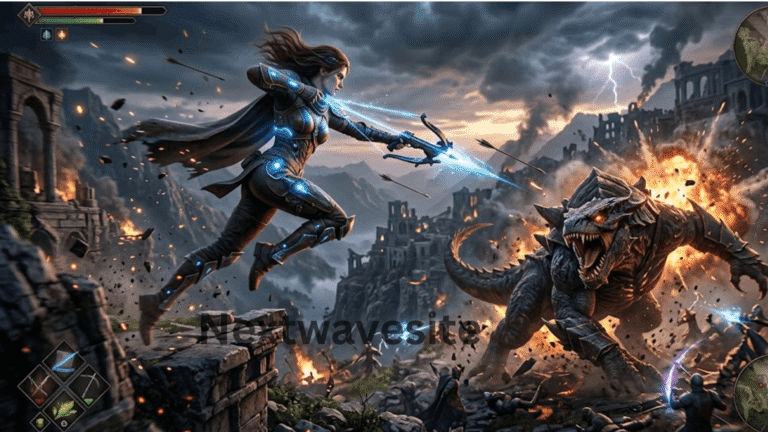
Interactive gameplay is the heart of modern gaming. Players want more than visuals. They want action, control, and freedom. Because of this shift, games now focus on player involvement instead of passive watching. As a result, the gaming experience feels alive and personal.
In the past, players followed fixed paths. Now, they shape their own journey. Every move matters. Every choice creates impact. Therefore, interactive gameplay builds a strong bond between the player and the game world.
What Is Interactive Gameplay?
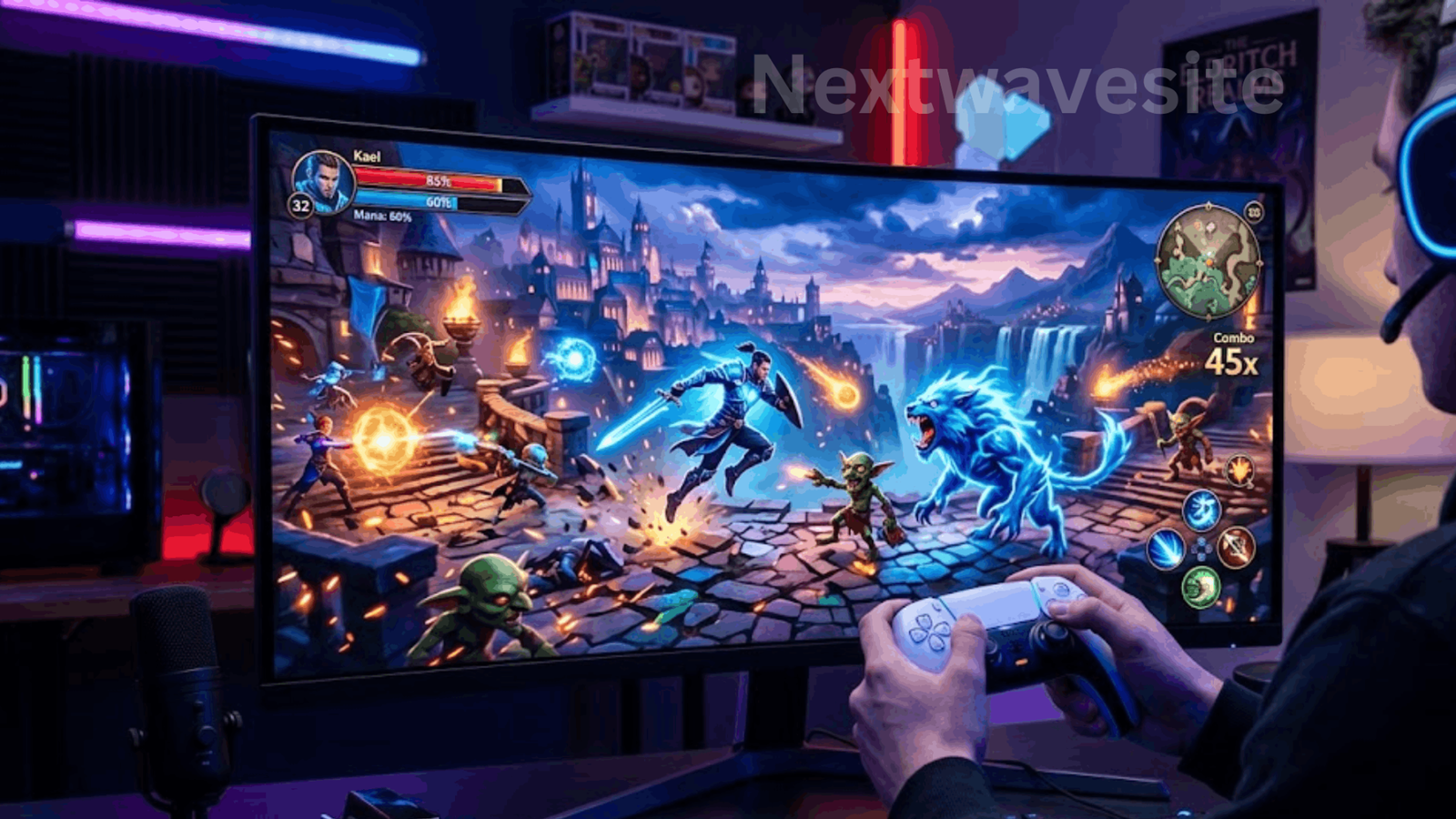
Interactive gameplay means players actively participate in the game. They control characters, make decisions, and react to events. The game reacts immediately to each action, so players feel more connected.
Unlike movies, games depend on user input. A player does not just watch a story. Instead, they guide the story. This difference makes gaming unique. Moreover, it increases excitement and interest.
Why Interactive Gameplay Matters
Interactive gameplay keeps players engaged. It gives them control. It makes them feel important. When players see results from their actions, they feel satisfied.
In addition, it creates an emotional connection. Players care about characters. They feel happy, scared, or excited during gameplay. Because of this emotional link, they remember the game for a long time.
Furthermore, interactive gameplay improves replay value. Players return to explore different paths. They try new strategies. Therefore, games stay fresh and interesting.
Key Elements of Interactive Gameplay
Player Control
Players control movement and actions. They decide what to do next. This control gives them freedom. As a result, they feel powerful inside the game.
Real-Time Feedback
The game reacts quickly. When a player jumps, the character jumps instantly. When a player attacks, the enemy reacts. Because of this, gameplay feels smooth.
Decision-Making
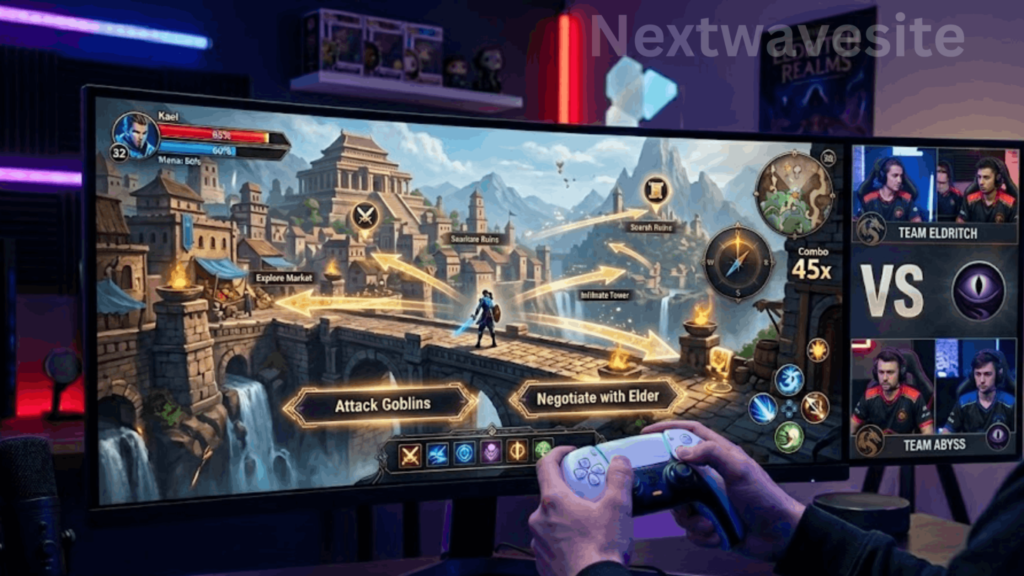
Choices shape the game. Players choose paths, actions, and outcomes. Each decision creates a different experience. Therefore, no two players play the same way.
Players guide the story and make choices that shape the ending, a feature that works seamlessly with cinematic storytelling in games to enhance emotional impact. Every decision matters, and the experience feels personal. This level of freedom and control is evident in AimpCity, where players do not just play—they live the story. In AimpCity, each choice changes the world, the characters, and even the outcome, making interactive gameplay more immersive and engaging than ever before.
Immersion
Interactive gameplay pulls players into the game world. They feel present inside the environment. This deep connection increases enjoyment.
Types of Interactive Gameplay
Action Gameplay
Players react quickly. They fight enemies and complete tasks. Speed and skill matter most. Because of this, action games feel intense.
Story-Based Gameplay
Players guide the story and make choices that shape the ending, a feature that works seamlessly with cinematic storytelling in games to enhance emotional impact. So every decision matters, and the experience feels personal.
Exploration Gameplay
Players explore open worlds. They find secrets and complete missions. Freedom drives this type of gameplay.
Puzzle Gameplay
Players solve problems. They think carefully before moving forward. Each solution brings satisfaction.
How Interactive Gameplay Improves Experience
Interactive gameplay makes players active. They stay focused. They enjoy every moment. Because of this, they spend more time playing.
Moreover, it creates excitement. Unexpected events keep players alert. They never feel bored. In addition, challenges make the game more rewarding.
At the same time, players learn new skills. They improve thinking, timing, and decision-making. Therefore, gameplay becomes both fun and useful.
Emotional Connection in Interactive Gameplay
Games create strong emotions. Players feel joy when they win. They feel stress during tough moments. They feel proud after success.
Since players control the actions, emotions feel real, so they connect deeply with characters and stories, and the experience stays memorable.
Furthermore, players express themselves through choices. They decide how to act. This freedom builds a personal connection.
Role of Technology
Technology improves interactive gameplay every year. Better graphics create realistic worlds. Faster systems provide smooth performance.
Artificial intelligence makes characters smarter. These characters react naturally. Because of this, gameplay feels real.
Moreover, virtual reality creates deeper immersion, so players feel like they are inside the game world, and interaction becomes stronger.
Game Design and Interactive Gameplay
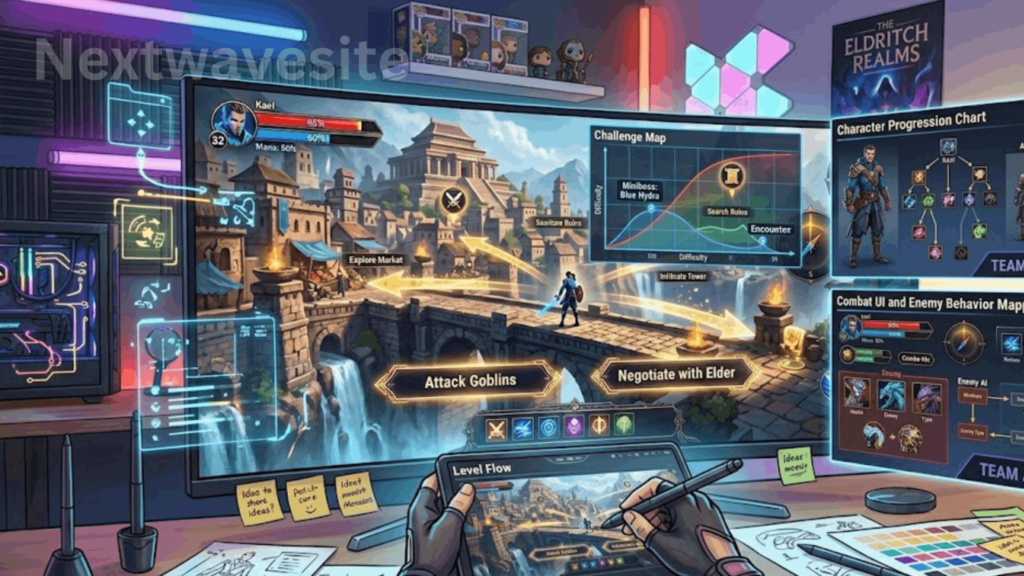
Developers design games around interaction. They plan how players move and act. Every detail matters.
Designers create balanced challenges. They guide players without limiting freedom. Because of this, gameplay feels natural.
Moreover, good design keeps players engaged. It avoids frustration. It keeps the experience smooth and enjoyable.
Common Mistakes Developers Make
Some games fail due to poor interaction. Slow controls frustrate players. Weak feedback breaks immersion.
Repetitive tasks reduce interest. Players lose motivation when nothing changes. In addition, a lack of choices makes gameplay boring.
Therefore, developers must focus on quality. They should create smooth, responsive systems.
Future of Interactive Gameplay
The future looks bright. Technology will improve interaction further. Games will become more realistic.
Artificial intelligence will create dynamic stories. Players will experience new outcomes every time. Cloud gaming will increase access.
Because of these changes, interactive gameplay will grow stronger.
Storytelling Through Interaction
Interactive gameplay changes storytelling. Players guide the story. They influence events and characters.
Each player creates a unique journey. No two experiences feel the same. Therefore, storytelling becomes more powerful.
Moreover, players feel responsible for outcomes. This increases emotional impact.
Why Players Love Interactive Gameplay
Players enjoy control. They like freedom. They love making choices.
Interactive gameplay gives all these elements. It creates excitement and satisfaction. As a result, players prefer games to passive content.
Interactive Gameplay and Player Retention
Games with strong interaction keep players longer. They return to explore new options. They enjoy new challenges.
Rewards increase motivation. Achievements and upgrades keep players engaged. Therefore, interactive gameplay supports long-term success.
Challenges in Creating Interactive Gameplay
Developers face many challenges. They must balance freedom and structure. Too much freedom confuses players. Too little control limits creativity.
They also need smooth performance. Bugs ruin the experience. Therefore, testing remains important.
Despite these challenges, strong design leads to success.
Final Thoughts
Interactive gameplay defines modern gaming. It creates engagement, emotion, and excitement. Players feel connected because they control the experience.
As technology grows, interaction will become deeper. Games will offer richer worlds and smarter systems.
In the end, interactive gameplay will always remain the heart of gaming.
About the Author