The internet often turns a simple phrase into a huge trend. Teach me first comic stands as one of those phrases. Many readers search for it because they feel curious about the story, the characters, and the real meaning behind the title. Others simply want to know whether the comic exists on official platforms or is fan-made content circulating online.
In this detailed guide, you will understand the Teach Me First comic from every angle. You will learn where the name came from, why it attracts attention on social media, how readers discover it online, and what makes comics with similar titles so interesting. Along the way, you will also read short stories that show how people discovered the comic and why they kept reading.
This article uses clear language and active voice, so every reader can easily follow the ideas. By the end, you will have a complete understanding of the “Teach Me First “comic and the world that surrounds it.
Understanding the Meaning Behind the Teach Me First Comic
Many readers type “teach me first comic” into search engines to discover a specific webtoon or digital comic. However, the phrase does not always point to one single official series. Instead, it often connects to several titles with similar names.
The phrase “teach me first” usually suggests a relationship in which one person guides another. In storytelling, that idea creates strong emotional tension. Readers enjoy watching characters learn from one another, grow through experience, and face awkward or funny situations together.
Because of this theme, several creators have used similar titles. Some comics focus on comedy. Others focus on romance or drama. A few versions even explore mature themes intended only for adult readers. This mix of genres creates confusion but also increases curiosity.
When people search for the first comic, they hope to find the original story that started the trend. Sometimes they discover multiple works instead. That discovery process forms part of the online mystery surrounding the title.
Why Teach Me First Comic Became a Trending Search
Trends often grow through social media discussions. In the case of the “Teach Me First” comic, short-form video platforms played a major role. Fans started sharing screenshots, reactions, and short explanations about the story. Those clips quickly attracted viewers who had never heard about the comic before.
Curiosity spreads quickly online. One viewer watches a clip, then searches the title. Another viewer reads a summary and wonders what happens next. Within days, thousands of people begin searching for the same phrase.
Search engines notice the rising traffic and start showing related results. Soon, the first comic I teach appears in trending search suggestions. That cycle continues until the topic reaches a much larger audience.
However, viral attention also brings confusion. Some websites upload unofficial copies of chapters. Others post edited screenshots without a clear context. Readers must remain careful and check official sources whenever possible.
The Structure of Most Webtoon Comics
Before exploring the stories around the “Teach Me First” comic, it helps to understand how webtoons work.
Webtoons differ from traditional comic books. Artists design them for smartphones and digital reading platforms. Instead of turning pages, readers scroll downward through each chapter.
Every webtoon chapter usually includes several important elements:
Panels show individual scenes that move the story forward.
Dialogue bubbles display character conversations.
Narration boxes provide extra explanation or emotional insight.
Character expressions reveal feelings through visual storytelling.
This vertical style allows creators to control pacing. A long gap between panels can build suspense. A sudden close-up panel can highlight a dramatic moment.
When readers explore the Teach Me First comic, they often notice these visual storytelling techniques. The format helps characters feel alive and emotional.
How Readers Usually Discover Teach Me First Comic
Most readers discover the Teach Me First comic through recommendations or random internet searches. Sometimes a friend sends a screenshot and asks, “Have you read this yet?” That simple question sparks curiosity.
Search engines then lead readers to various comic platforms. Some platforms host official chapters. Others display incomplete copies uploaded by unknown users.
Smart readers always check a few important signs before reading a comic online. They look for clear creator names, proper chapter numbering, and official platform logos. Those details help confirm authenticity.
When readers support official platforms, they help artists continue creating new chapters. Every view, like, or purchase encourages creators to develop their stories further.
Story: Ahmed’s First Discovery
Ahmed loved reading comics during his free time. One evening, he scrolled through social media and noticed several posts about the ” Teach Me First ” comic. People shared funny screenshots and mysterious dialogue scenes.
Ahmed felt curious. He opened a search engine and typed the phrase. The results surprised him. Several websites mentioned comics with similar titles.
He clicked the first link but quickly noticed something strange. The site displayed blurry images and missing chapters. Ahmed closed the page and continued searching.
Soon, he found a proper comic platform that listed a series with a similar title. The platform showed the creator’s name, chapter dates, and clear artwork. Ahmed began reading the first chapter.
The story followed two students who struggled to understand each other. One character acted confident while the other felt shy and inexperienced. Their interactions created funny misunderstandings and emotional moments.
Ahmed kept scrolling through the chapters. The characters slowly developed a deeper connection. He felt invested in their journey. By the end of the evening, Ahmed realised why readers kept talking about the ‘teach me first’ comic online.

The Emotional Appeal of Relationship-Focused Comics
Many comics attract readers through action or fantasy. However, relationship-focused stories create a different type of engagement.
The first comic that teaches me often highlights human emotions. Characters struggle with embarrassment, curiosity, and self-confidence. Readers recognise these feelings because they exist in real life.
When a character learns something new from another person, the moment feels personal. The lesson might involve friendship, trust, or communication. Each scene adds depth to the relationship.
Writers often build tension through awkward situations or humorous dialogue. These moments make readers smile while also creating anticipation for the next chapter.
Story: Sara’s Unexpected Curiosity
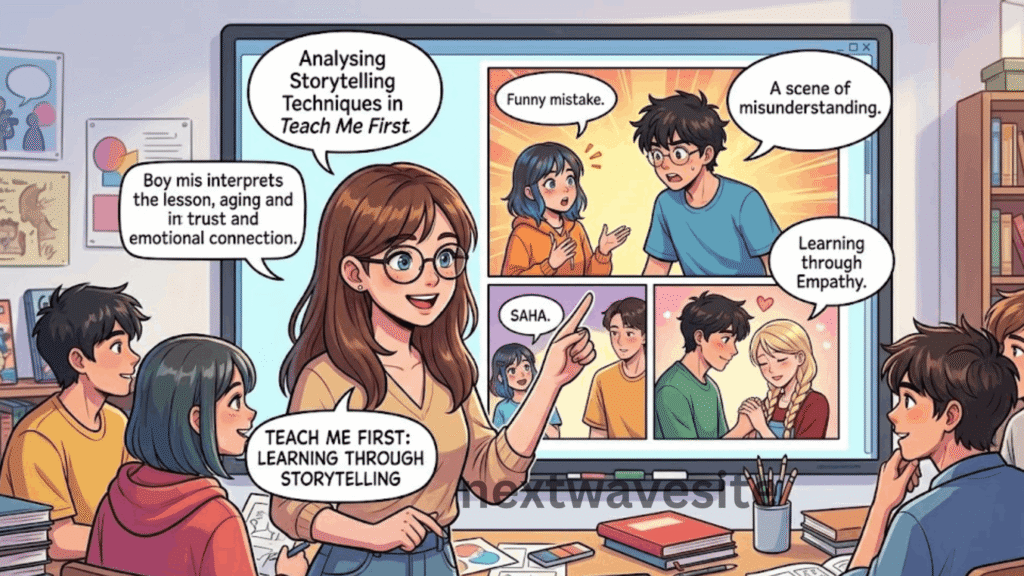
Sara studied graphic design at university. She loved analysing illustrations and storytelling styles. One afternoon, she overheard classmates discussing the Teach Me First comic.
They mentioned the characters and laughed about a scene where one character misunderstood a simple lesson. Sara felt intrigued.
Later that evening, she searched the title online. She discovered different interpretations of the phrase. Some comics used it for comedy. Others delved deeper into the emotional connections between characters.
Sara eventually found a series about two friends who slowly learned to trust each other. The artwork impressed her immediately. The artist used expressive eyes, subtle body language, and clever panel spacing.
As Sara read the chapters, she noticed how each lesson changed the characters. One character gained confidence. The other learned patience and empathy.
Sara realised the comic did more than entertain readers. It also showed how people grow when they support each other.
From that day forward, Sara recommended that I teach the first comic discussions in her design class because the storytelling techniques inspired her creativity.
Why Similar Titles Create Confusion
The digital comic world grows quickly. Thousands of creators upload stories every year. Because of this growth, similar titles appear frequently.
The phrase teach me first comic contains common storytelling words. Many writers naturally choose similar titles when they develop relationship-focused plots.
Readers may encounter several versions of the phrase:
Teach Me
Teach Me First
Teach Me First Again
Each title might belong to a different creator and a completely different storyline. Without careful searching, readers might mix them.
This confusion explains why guides like this article help readers understand the topic clearly.
Story: Daniel’s Lesson About Online Sources
Daniel loved discovering new webtoons late at night. One evening, he typed teach me first comic into a search bar after seeing a trending hashtag.
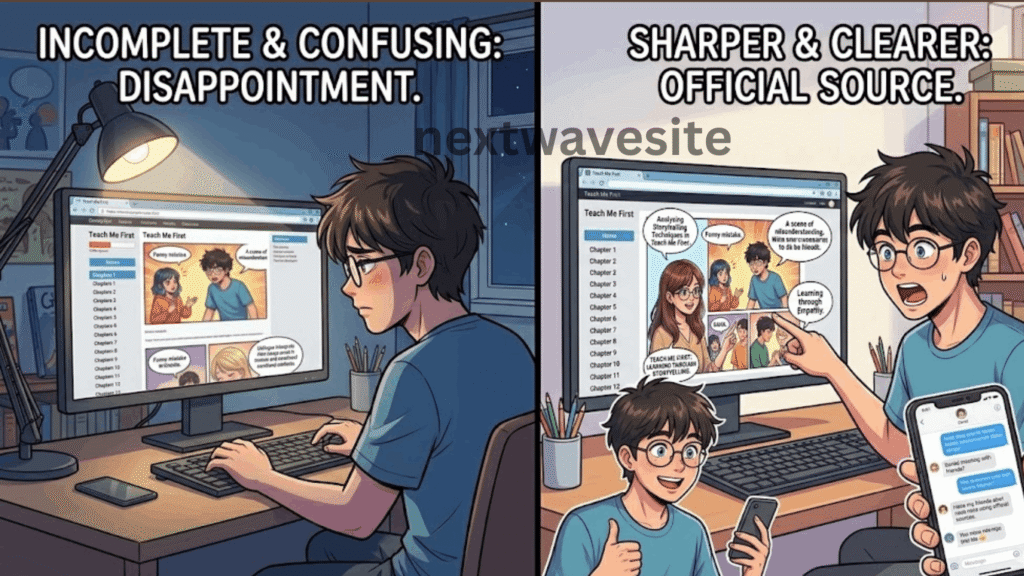
He opened the first result and started reading. The chapters looked incomplete. Dialogue bubbles seemed cropped, and the artwork looked compressed.
Daniel felt disappointed. The story felt confusing because entire scenes seemed to be missing.
Instead of giving up, he searched again and visited an official comic platform. There, he found the same title with properly organised chapters.
The difference shocked him. The artwork looked sharper. Dialogue flowed naturally. The story suddenly made sense.
Daniel learned an important lesson that night. Official sources always provide the best reading experience. Since then, he encourages friends to check trusted platforms before reading any comics online.
Why Readers Feel Connected to Teach Me First Comic
People connect with the “Teach Me First” comic because the theme feels relatable. Everyone remembers moments when they learned something new from someone else.
These experiences shape personal growth. They build friendships and create memorable interactions.
When a comic captures that feeling, readers respond emotionally. They root for characters who struggle to understand each other. They celebrate when those characters finally communicate honestly.
Storytelling works best when readers see themselves inside the narrative. That connection explains the growing popularity of relationship-centred comics.
The Role of Visual Storytelling
Visual storytelling plays a huge role in comics, which taught me how to teach my first comic.
Artists carefully design facial expressions, body posture, and panel transitions. These details communicate emotions that words cannot fully explain.
For example, a character might hesitate before speaking. The artist can show that hesitation through a close-up panel of nervous eyes or a hand gripping a notebook.
Such visual cues deepen the emotional atmosphere. Readers interpret subtle gestures and feel closer to the characters.
Great comic artists combine visual pacing with dialogue timing. This balance keeps readers engaged from the first panel to the final scene.
Tips for Finding Authentic Comics Online
Readers who search for the first comic should always evaluate websites carefully.
Check whether the platform lists the creator’s name and publishing information. Look for chapter numbers arranged in chronological order. Official platforms usually display clear artwork without heavy compression.
Avoid websites that promote free downloads without crediting the creator. Those sites often host unauthorised copies.
Supporting official sources protects your device from harmful software and ensures creators receive recognition for their work.
The Future of Teach Me First Comic Discussions
Online trends evolve quickly, yet strong storytelling keeps audiences interested for years. Conversations about the “Teach Me First” comic will likely continue as new creators experiment with similar themes.
Artists constantly develop fresh characters and unique plots. Readers enjoy discovering new interpretations of the same concept. Each new story adds another layer to the growing conversation.
Digital comics continue expanding worldwide. New platforms appear every year, allowing creators to share ideas with global audiences.
Because of this growth, the phrase teach me first comic will probably remain part of webtoon culture for a long time.
Final Thoughts
The phrase teach me first comic represents more than a simple search term. It reflects the curiosity readers feel when they discover new digital stories online.
Through social media trends, personal recommendations, and creative storytelling, the phrase gained widespread attention. Readers continue exploring different comics with similar titles, searching for the story that resonates most with them.
When you approach the topic carefully and choose official reading platforms, you gain a richer experience. You also support the artists who dedicate time and passion to building these stories.
Every comic begins with a simple idea. When readers connect with that idea, a small story can grow into a worldwide trend. That journey explains the lasting fascination behind the ” Teach Me First ” comic.
You may also like to read About: Best Comments on a Girl’s Picture
About the Author